“It hurts!” When we suffer, we say we are in pain.
Painful experiences are remembered and carried in the body.
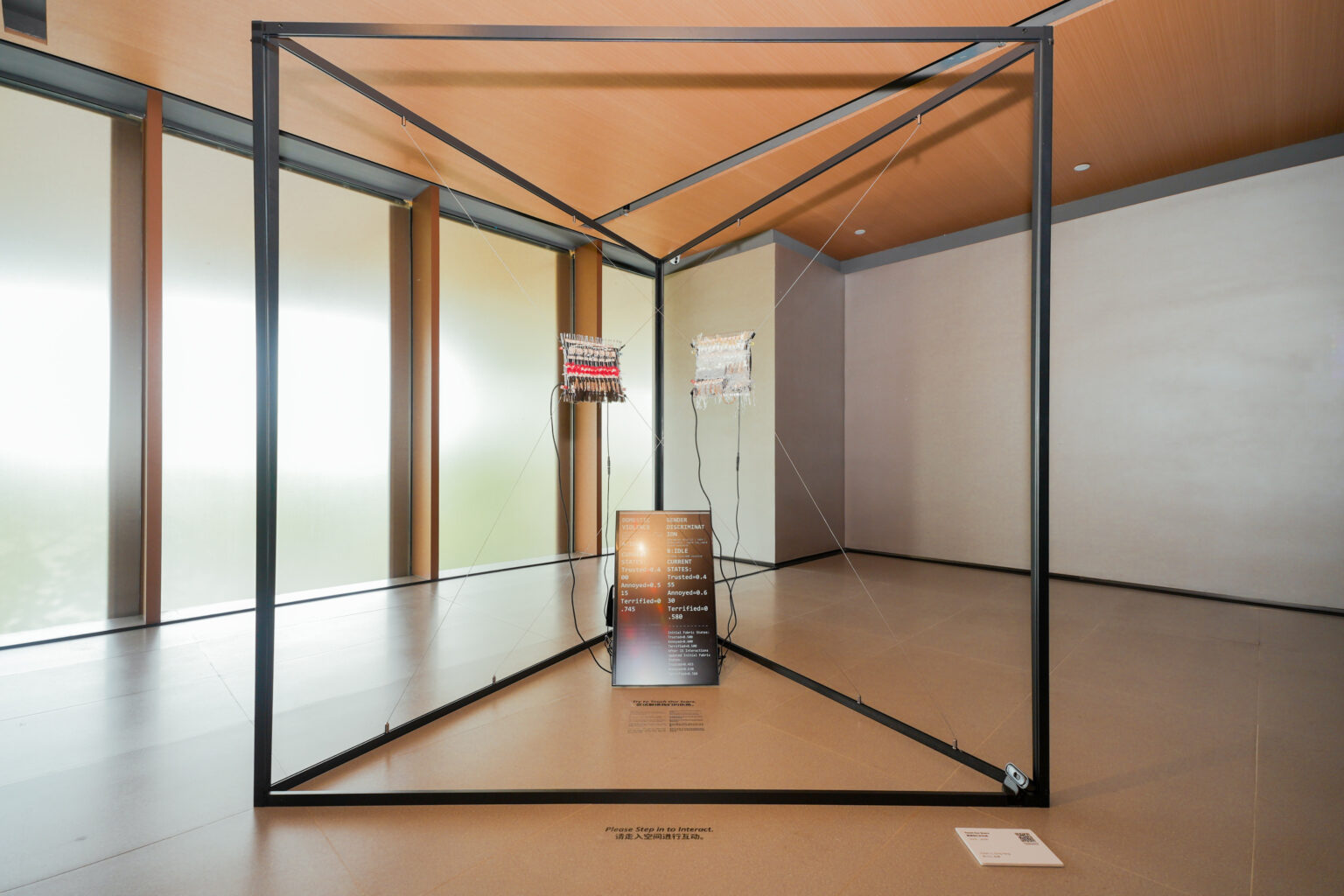
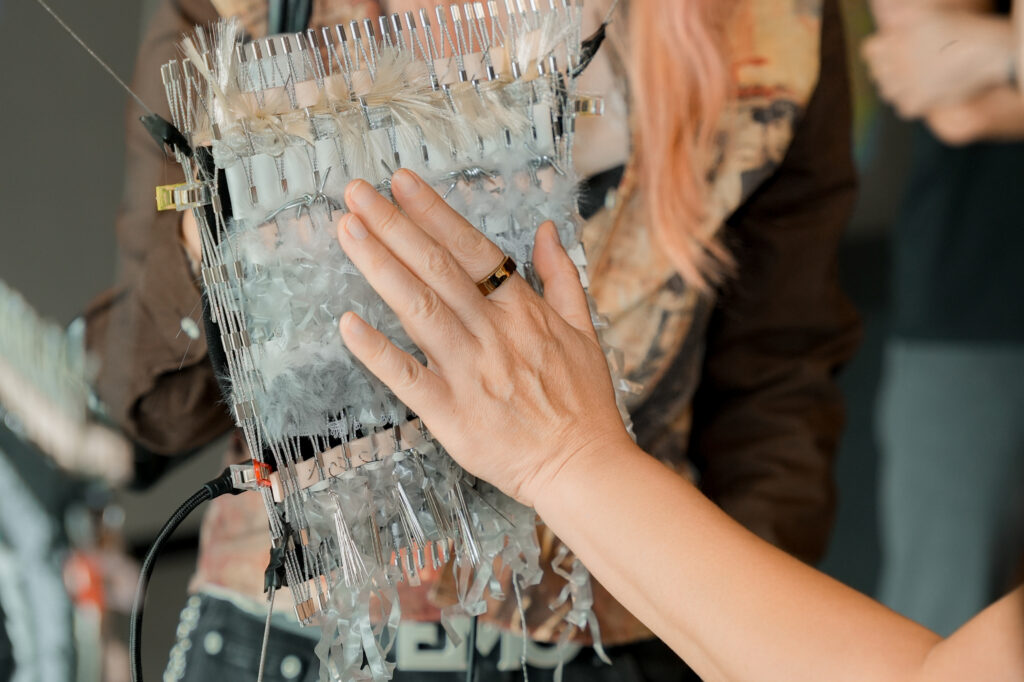
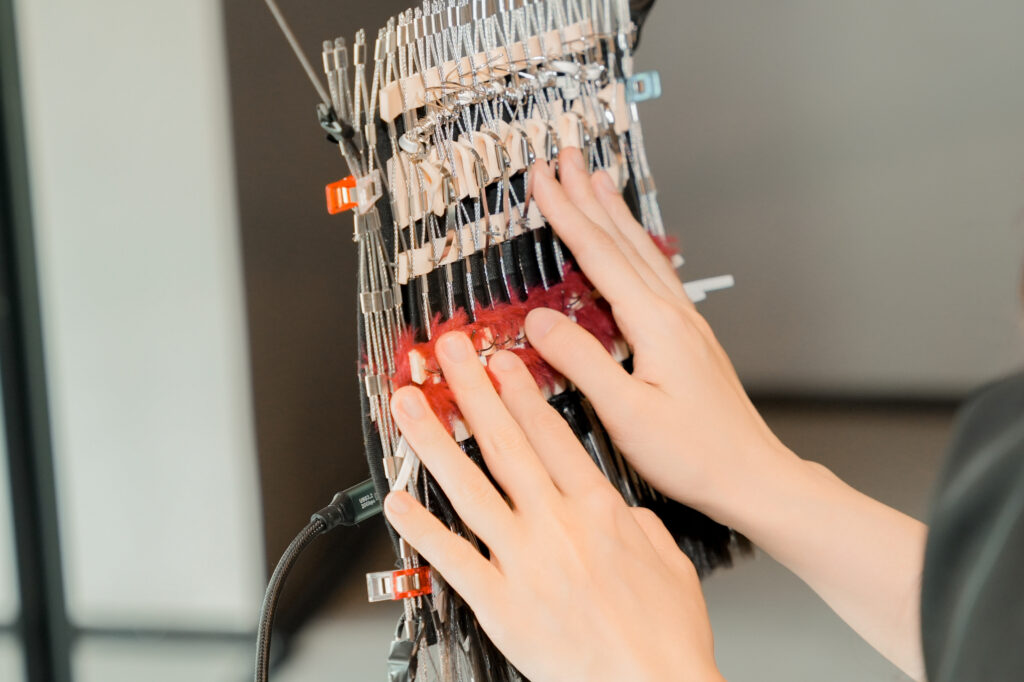
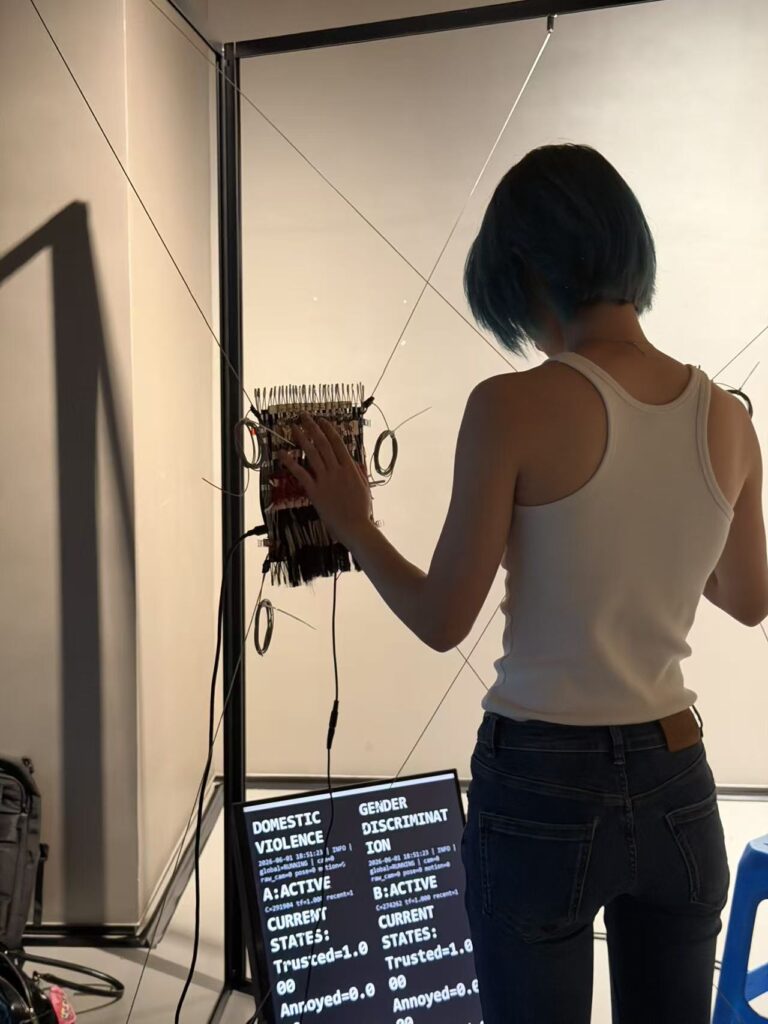
Touch Our Scars invites visitors to encounter trauma through material contact. Viewers may approach, observe, linger, withdraw, or touch the woven surfaces to endure this pain. Their actions enter into a negotiation with the trauma embodied in the textiles, gradually shaping how the pieces respond over time.
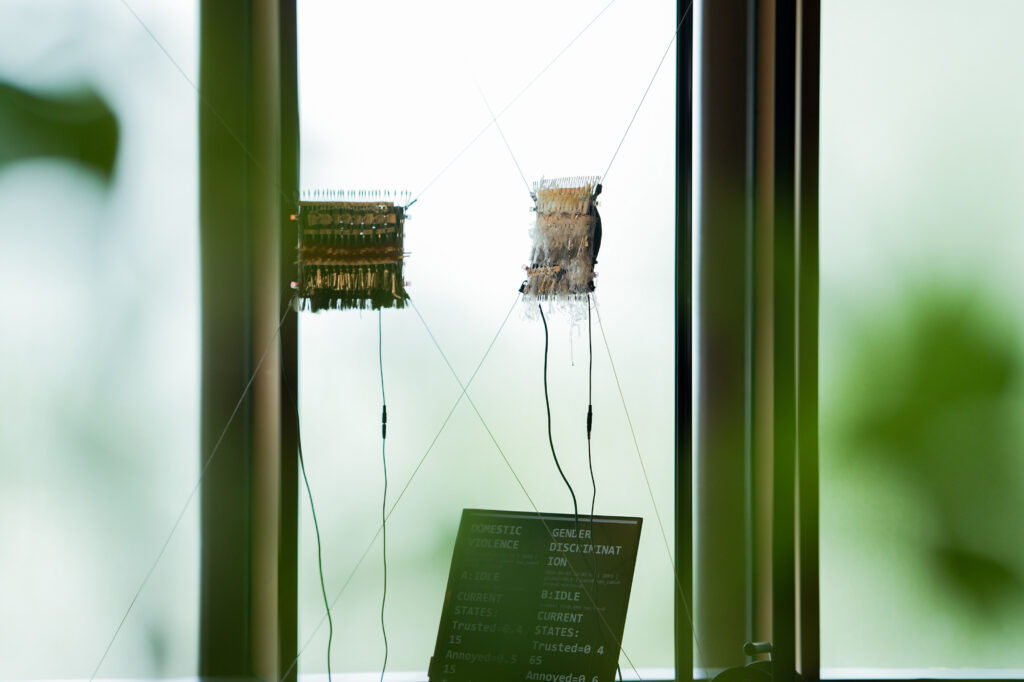
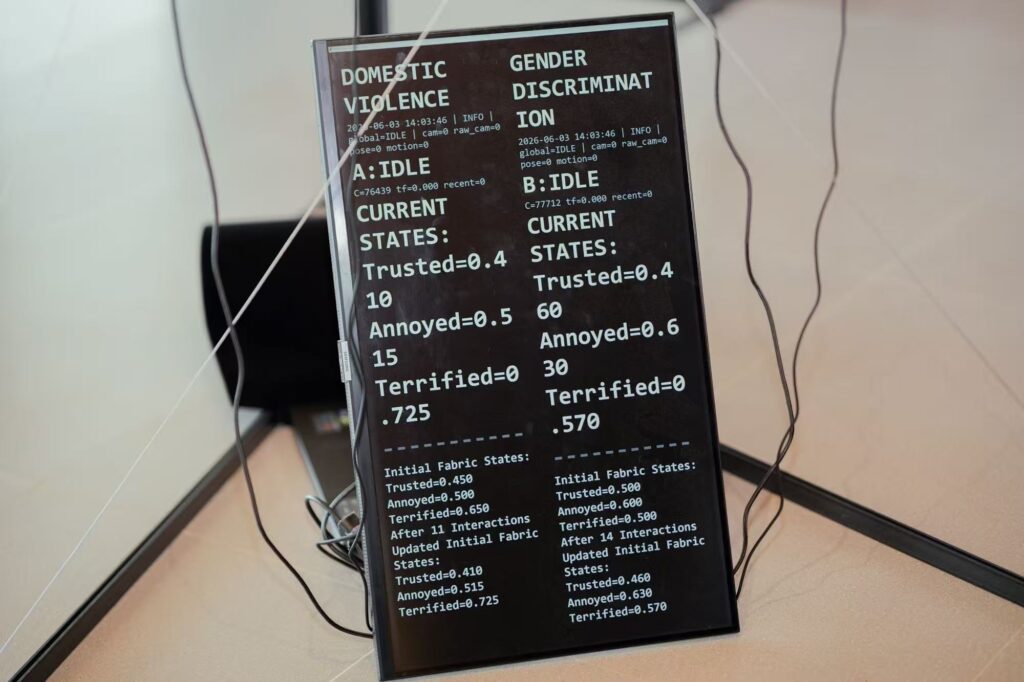
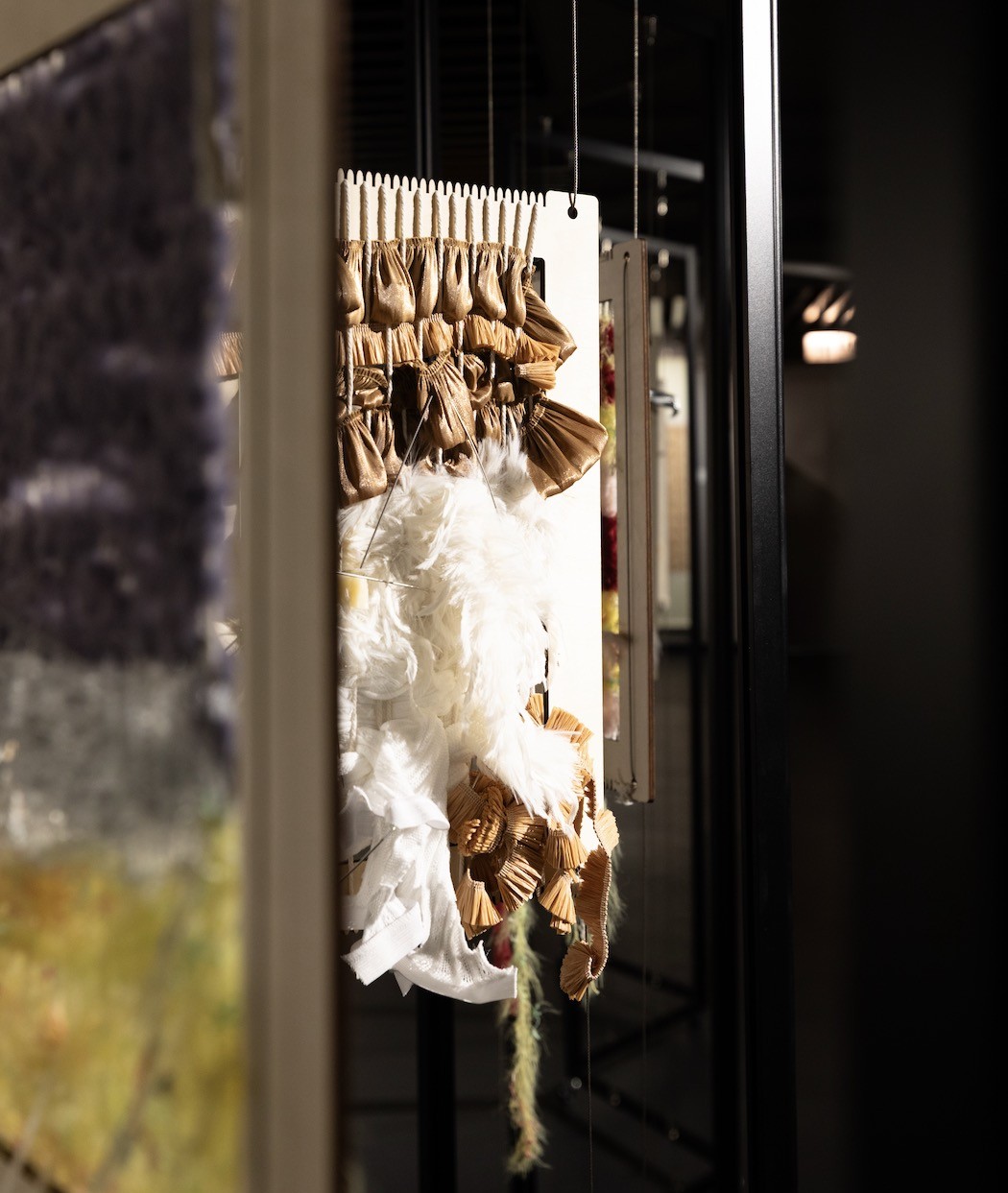
The work includes two interactive textiles informed by collective trauma reports and nine touchable pieces created from individual trauma sensations. By weaving sharp and rigid materials into traditional textile structures, painful sensations are translated into tactile form. Rather than telling stories about trauma, we create a space where trauma can be felt through the body, negotiated without language, and slowly transformed through embodied engagement.
Special thanks to Li Runxuan, Mango, Congye Zhang, Siuling He, and all workshop participants who generously contributed their experiences to this work.
This series of works is rooted in two forms of collective trauma experienced by women: domestic violence and gender discrimination. Through paradox in materiality (soft and protective woven structures entangled with hard and injuring materials) and paradox in interaction (where participants may choose to endure discomfort in order to soothe the textile, or withdraw to protect themselves while intensifying its fear), we try to create a situation in which one is confronted with another person’s unresolved trauma.
We intentionally allow the textiles themselves to determine when the interaction ends. We also allow visitors’ hesitation, withdrawal, and the unconscious accumulation of collective behaviors to become part of what shapes the textiles over time.
Through making these works, we have gradually become clearer about what we urgently wish to speak to in a rapidly changing technological society: questions of materiality, justice for marginalized lives, and how we might imagine living with bodily vulnerability and forms of pain that cannot simply be solved.