Colors carry deep semantic resonance, largely influenced by cultural contexts. For example, the combination of red and green evokes different reactions depending on cultural perspectives. In a subcultural context, young people might associate it with terms like “Millennium Spicy Boy” or “Y2K Revival.” In contrast, those rooted in traditional culture are likely to reference the classic saying, “Red with green, sick the dog.”
This phenomenon can be analyzed through deviance theory: some individuals or groups resist mainstream societal norms or are excluded from them, leading to behaviors that deviate from these norms to assert their identity and gain group recognition. Similarly, the “abnormal” use of color by subcultural groups represents a form of deviance that challenges traditional color design principles. This deviation fosters collective resonance and a unique sense of color identity within the group.
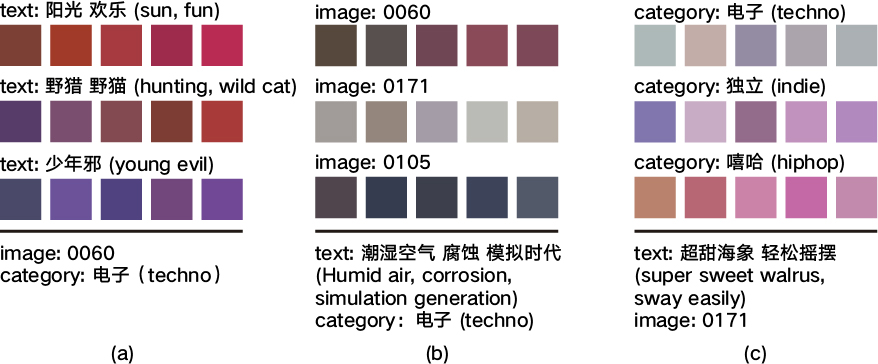
This project explores and investigates this phenomenon of collective color deviance through intelligent tools. By collecting over 1,000 images of Chinese youth subculture designs, I compiled a deviant color dataset featuring color palettes and their associated semantic meanings. Using this dataset, I constructed a “deviant color space.”
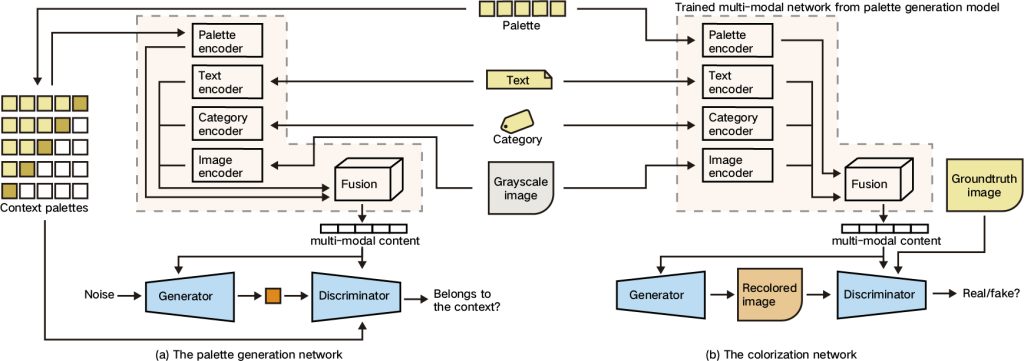
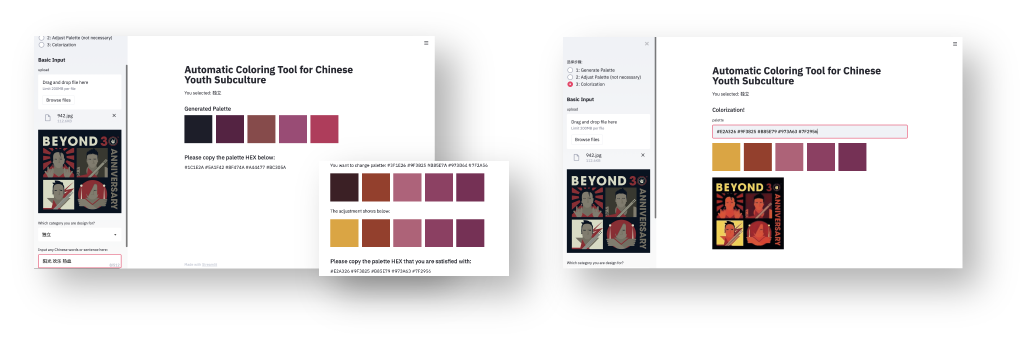
With the support of colleagues, we also developed an intelligent deviant color design platform. Users can input any text, and the AI algorithm generates a color palette based on its semantic meaning.
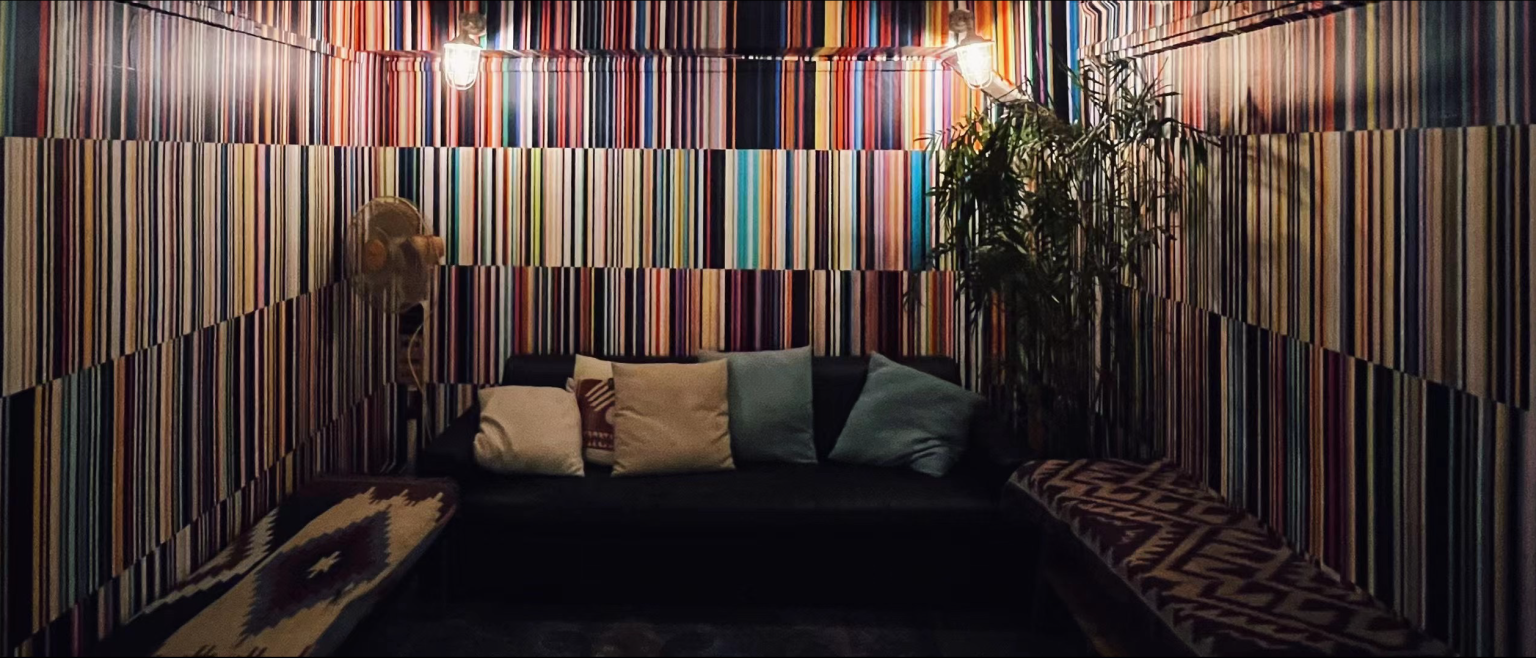
Research related to this project has been published in MIPR 2021. This project was also exhibited in fRUITYSPACE, a typical subculture space in Beijing. Deviant colors take root at the far end of this space, sprouting from the cracks around them. This, therefore, becomes a “leaf-to-root” expression of color, returning to its cultural and communal origins.